San Antonio Coffee Spots with Historic Roots
San Antonio’s coffee culture is deeply connected to the city’s historic neighborhoods, longtime bakeries, and family-owned cafés that have served locals for generations. While modern coffee shops continue to open across the city, many of San Antonio’s most memorable coffee experiences are tied to places where Mexican baking traditions, neighborhood hospitality, and historic settings remain central to the experience.
From panaderías operating for decades to cafés inside restored historic districts, these coffee spots offer more than caffeine. They reflect the city’s cultural heritage and evolving culinary identity.
Panadería Jimenez and Decades of Bakery Tradition
Founded in 1969, Panadería Jimenez has remained one of San Antonio’s longtime family-owned Mexican bakeries. Known for its colorful pastry cases and traditional pan dulce, the bakery continues using recipes and baking techniques passed through generations of the Jimenez family.
Visitors will find classic conchas, empanadas, marranitos, cookies, cakes, and savory breakfast items made fresh daily. The bakery’s connection to traditional Mexican baking gives customers a glimpse into the kind of neighborhood panadería culture that has long shaped San Antonio’s food scene.
Coffee remains a simple but important part of the experience. Many customers pair fresh café de olla or drip coffee with sweet breads in the mornings, continuing routines that have existed in San Antonio families for decades.
La Panadería's Modern Take on Historic Mexican Baking
While newer than some legacy bakeries, La Panadería has become one of San Antonio’s most recognizable bakery cafés by blending traditional Mexican baking with European techniques. Brothers José and David Cáceres opened the business after drawing inspiration from their family’s baking roots in Mexico City.
Their approach emphasizes long fermentation times, artisan bread methods, and carefully crafted pastries that elevate familiar Mexican bakery staples. Signature items like the croncha, a croissant-concha hybrid, helped put the bakery on the national culinary map.
La Panadería’s downtown and Broadway locations have become popular breakfast and coffee destinations where customers gather for espresso drinks, artisan pastries, tortas, and fresh bread. Despite its modern popularity, the bakery maintains strong ties to heritage recipes and traditional pan dulce culture.
Mi Tierra Café y Panadería and Market Square History
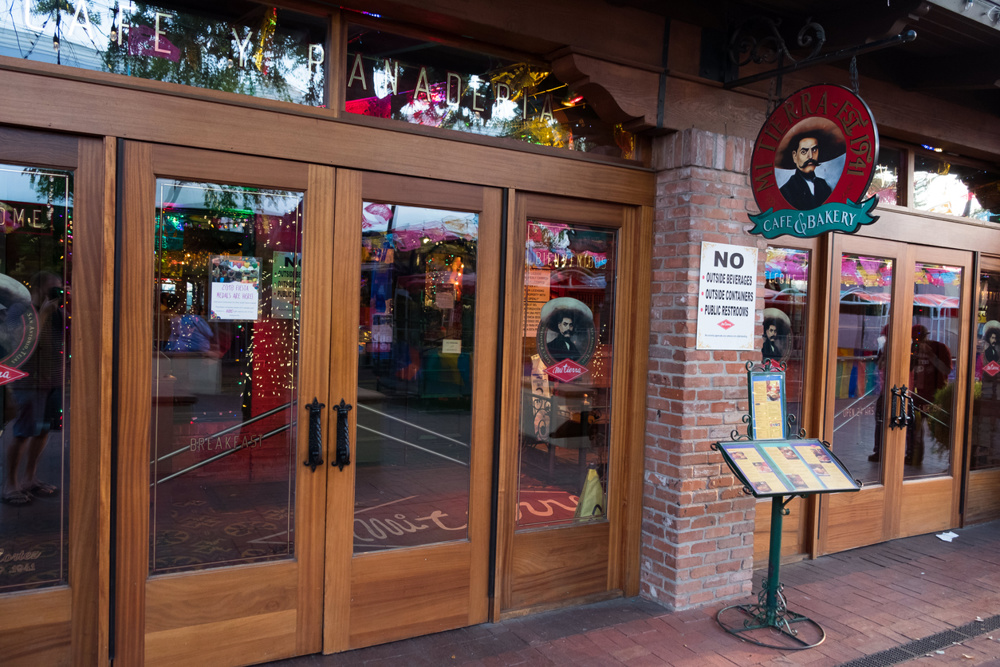
Few places connect coffee, culture, and history in San Antonio quite like Mi Tierra Café y Panadería in Historic Market Square. Operating since 1941, the restaurant and bakery has become one of the city’s most iconic family-owned establishments.
Open daily and famous for its festive décor, mariachi music, and colorful atmosphere, Mi Tierra serves traditional Mexican pastries alongside coffee drinks and classic breakfast dishes. The adjoining bakery counter remains a major attraction, offering rows of pan dulce, cookies, cakes, and pastries inspired by generations of Mexican baking traditions.
The café’s role extends beyond food. It has become a longtime gathering place for locals, tourists, politicians, and musicians, making it one of San Antonio’s most culturally significant dining institutions.
Historic Coffee Stops in Downtown San Antonio
Downtown San Antonio includes several cafés located inside or near historic buildings that contribute to the city’s evolving coffee culture.
Pandora’s Bookstore, located near downtown on Broadway, combines an independent bookstore with a café atmosphere that encourages customers to linger over coffee while browsing local literature, history books, and works from Texas authors. The space reflects the city’s growing appreciation for locally owned gathering spots rooted in community and creativity.
In the historic La Villita Arts Village, visitors can also find cafés and restaurants housed inside preserved stone and adobe-style buildings dating back to San Antonio’s early settlement years. While businesses change over time, the district continues serving as one of the city’s most atmospheric places to enjoy coffee while exploring galleries, courtyards, and artisan shops.
Gravves Coffee and Extra Fine in Historic Neighborhoods
San Antonio’s newer coffee scene also thrives inside historic neighborhoods where old architecture and modern café culture intersect.
Located near the Monte Vista and Tobin Hill areas, Gravves Coffee has built a strong following for its dark aesthetic, specialty drinks, and creative atmosphere. The café stands out for beverages featuring flavors like ube, black sesame, and specialty syrups while occupying a corridor filled with vintage storefronts and local businesses.
Nearby, Extra Fine has become another popular stop known for coffee, brunch, pastries, and a relaxed neighborhood atmosphere. Situated in a historic part of the city, the café blends modern design with the slower pace and walkability that define many older San Antonio neighborhoods.
Together, these businesses show how San Antonio’s coffee culture continues evolving while remaining connected to historic districts and locally rooted spaces.
Bear Moon Bakery and Café Near San Antonio
Just outside the city in Boerne, Bear Moon Bakery and Café offers another example of Hill Country coffee culture with historic character. Located along Boerne’s Main Street district, the café is known for scratch-made pastries, artisan breads, breakfast dishes, and specialty coffee drinks.
The café’s setting inside one of the Hill Country’s most walkable historic downtowns makes it a favorite stop for weekend visitors traveling between San Antonio and nearby Hill Country destinations.
Guests often pair coffee with house-made croissants, muffins, cinnamon rolls, or savory breakfast plates before exploring Boerne’s boutiques, galleries, and historic architecture.
How San Antonio Coffee Shops Preserve Mexican Baking Traditions
San Antonio’s historic coffee spots are closely tied to the city’s deep Mexican culinary roots. Many local cafés and panaderías continue preserving recipes, baking methods, and hospitality traditions that have been shared across generations.
Unlike large chain coffee shops, these businesses often prioritize handmade pastries, family recipes, and neighborhood relationships. Pan dulce remains central to the experience, with conchas, orejas, empanadas, and marranitos still produced daily in many bakeries throughout the city.
Coffee itself also reflects cultural traditions. Café de olla, sweet cream coffees, cinnamon-infused brews, and traditional Mexican breakfast pairings remain staples in many longtime establishments.
These cafés serve not only as places to grab coffee, but as community gathering spaces that help preserve San Antonio’s cultural identity through food, conversation, and shared traditions.
Conclusion
San Antonio’s coffee scene stands apart because of its connection to history, family traditions, and neighborhood culture. From iconic panaderías and Market Square institutions to newer cafés operating inside historic districts, the city offers coffee experiences rooted in authenticity and local character.
Whether you’re enjoying fresh pan dulce at a decades-old bakery, sipping espresso in a restored downtown building, or discovering modern cafés in historic neighborhoods, San Antonio’s coffee culture continues to reflect the city’s rich blend of tradition and creativity.