Coffee Measurement Conversions: Grounds, Water, Cups, and Brew Ratios Explained
Brewing great coffee is as much about consistency as it is about quality beans. While roast level, grind size, and brewing method all influence flavor, accurate measurements provide the foundation for every successful cup. Understanding how coffee grounds, water, cups, ounces, and brew ratios work together allows home brewers to recreate their favorite recipes instead of relying on guesswork each morning.
Fortunately, coffee measurements don't have to be complicated. Once you understand a few simple conversions and learn why experienced baristas prefer measuring by weight instead of volume, adjusting recipes for different brew methods becomes much easier. Whether you're preparing a single mug before work or brewing a full pot for guests, these basic principles will help you produce balanced, consistent coffee every time.
What the Coffee-to-Water Ratio Actually Means
The coffee-to-water ratio simply describes how much coffee you use compared with the amount of water. Most recipes express this relationship as two numbers separated by a colon, such as 1:16. In this example, one gram of coffee is paired with sixteen grams of water. Because water weighs almost exactly one gram per milliliter, measuring becomes surprisingly straightforward once you begin using a kitchen scale.
This ratio acts as the foundation for nearly every brewing recipe. Rather than guessing how much coffee "looks right," using a consistent ratio produces repeatable results regardless of whether you're making one cup or several servings. Professional cafés and specialty coffee shops rely on ratios because they remove much of the variation that comes from using measuring spoons alone.
Changing the ratio directly affects the strength and character of the finished cup. A stronger ratio such as 1:15 produces a richer, fuller-bodied brew, while a lighter ratio like 1:17 or 1:18 creates a milder cup that highlights delicate flavors. Once you discover which balance suits your personal taste, you can recreate it with confidence every time you brew.

What Does the 1:16 Ratio Actually Mean?
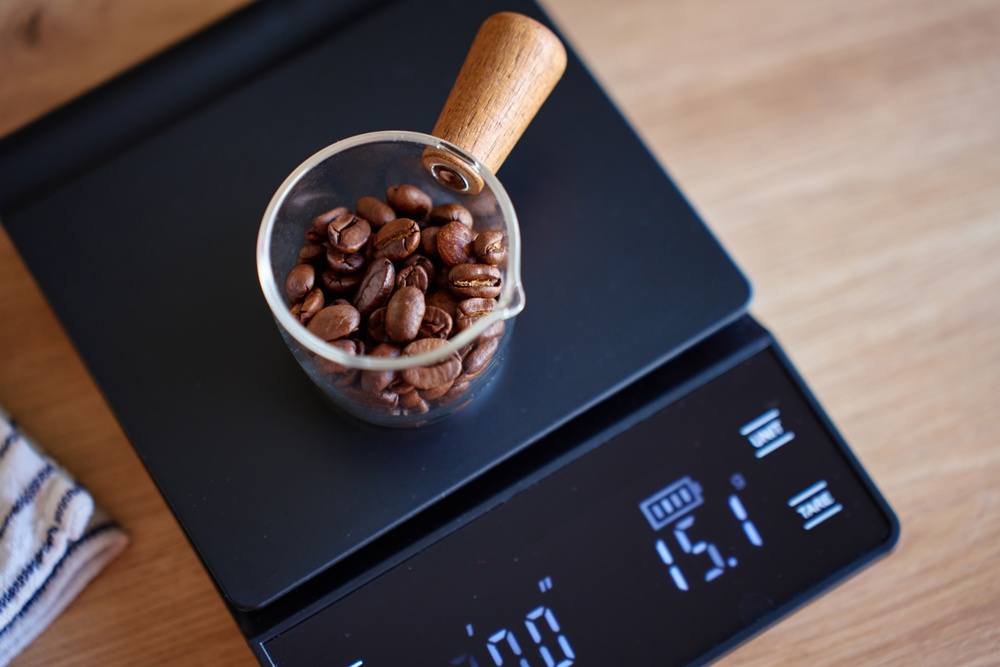
Among the many coffee brewing ratios, 1:16 is widely considered the best starting point because it produces a balanced cup that works well across multiple brewing methods. For every gram of coffee, you simply add sixteen grams of water. An 8-ounce mug typically uses about 15 grams of coffee with approximately 240 grams of water, making this ratio easy to scale for larger or smaller batches.
Many home brewers begin with 1:16 because it offers enough strength to showcase the coffee's natural sweetness while still allowing subtle tasting notes to emerge. It works especially well for drip coffee makers, pour-over brewers, Chemex, and many immersion methods. Rather than creating an overly strong or weak cup, it provides a dependable middle ground that can later be adjusted according to personal preference.
How Many Grams of Coffee Per Cup?
The amount of coffee needed depends on the size of your serving and the brewing ratio you choose. For a standard 8-ounce mug brewed at a 1:16 ratio, approximately 15 grams of coffee is a reliable starting point. Smaller servings require proportionally less coffee, while larger batches simply scale upward using the same relationship between grounds and water.
Bean characteristics can also influence your final measurements. Lighter roasts are denser than darker roasts, meaning they sometimes benefit from slightly higher doses to achieve the desired strength. Single-origin coffees may also respond differently than blends because each variety extracts its flavors at a different rate depending on processing methods and roast profiles.
Rather than treating recommended measurements as strict rules, think of them as starting points. Recording your favorite recipes allows you to repeat successful brews while making small adjustments whenever you try a different coffee. Over time, these notes become just as valuable as the brewing equipment itself.
Choosing the Right Scale and Equipment
Once you understand brew ratios, the next step is using equipment that helps you measure accurately. A digital coffee scale is one of the most valuable tools a home brewer can own because it removes the guesswork from both coffee and water measurements. Even an inexpensive scale capable of measuring in one-gram increments can dramatically improve consistency compared with relying solely on scoops or tablespoons.
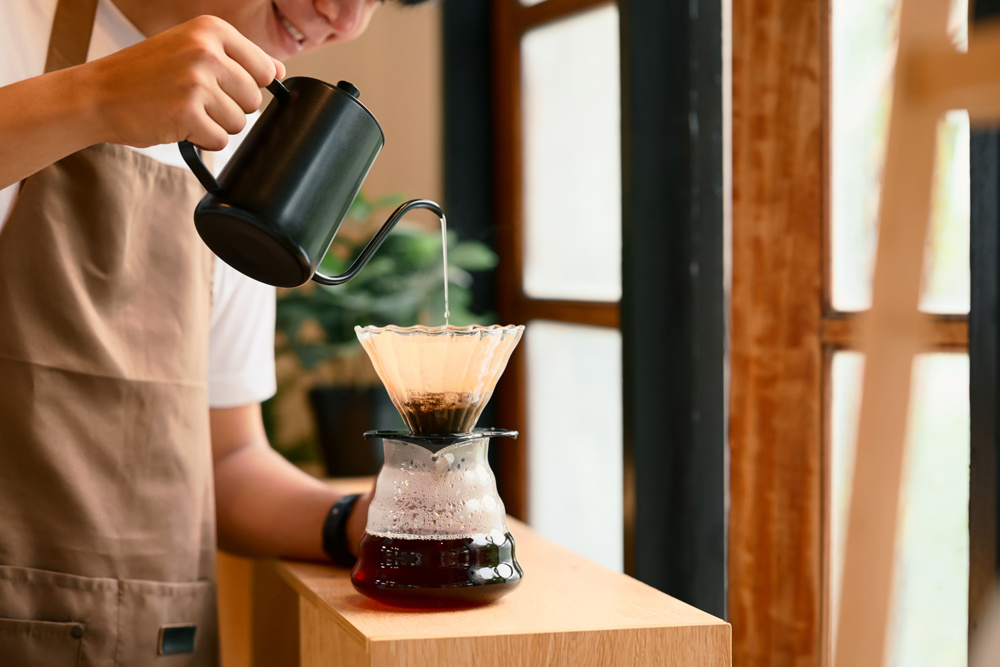
Other brewing tools also contribute to repeatable results. Burr grinders produce more uniform coffee particles than blade grinders, allowing water to extract flavor more evenly. Gooseneck kettles provide greater control when pouring water for pour-over methods, while built-in timers help maintain consistent brewing times. Together, these tools create a brewing process that is easier to repeat from one cup to the next.
You don't need professional café equipment to make excellent coffee at home. Starting with a reliable scale and grinder provides the greatest improvement for most people. As your interest grows, additional accessories can refine your technique, but accurate measurements remain the foundation regardless of the equipment you use.
Tablespoons vs. Grams: Which Should You Use?
Many people begin brewing coffee with measuring spoons because they're convenient and readily available. While this approach works for casual brewing, it becomes less reliable as soon as you switch between different coffees or grind sizes. A tablespoon measures volume, not weight, and coffee beans vary significantly in density depending on their roast and origin.
For example, one rounded tablespoon typically contains around 7 grams of coffee, but a heaping scoop may exceed 10 grams. A finer grind also packs more tightly than a coarse grind, meaning two tablespoons of different coffees can produce noticeably different strengths even though they occupy the same volume.
Measuring by weight eliminates these inconsistencies. Every gram of coffee remains the same regardless of roast, grind, or bean size, allowing you to reproduce successful recipes much more easily. If consistency matters, a digital scale is one of the simplest upgrades you can make to your brewing routine.
Strong, Balanced, or Light: How Ratios Change Your Brew
Once you begin measuring accurately, adjusting your coffee-to-water ratio becomes the easiest way to customize flavor. A lower ratio, such as 1:15, creates a stronger and fuller-bodied cup because more coffee is extracted into the same amount of water. This often appeals to people who enjoy richer, more concentrated flavors.
A 1:16 ratio remains the most versatile choice because it balances sweetness, acidity, and body across many brewing methods. If you prefer a lighter, brighter cup that highlights delicate tasting notes, increasing the ratio to 1:17 or 1:18 allows more water to soften the overall intensity while emphasizing subtle flavors.
The ideal ratio also depends on the coffee itself. Darker roasts generally extract more quickly and may taste smoother with slightly more water, while lighter roasts often benefit from stronger ratios that help bring out their complex characteristics. Small adjustments of only one ratio point can noticeably change the final cup, making experimentation both simple and rewarding.
Common Coffee Measurement Mistakes
Even experienced home brewers occasionally make measurement mistakes that affect flavor more than the quality of the beans themselves. Fortunately, most of these problems are easy to correct once you recognize them. Some of the most common mistakes include:
- Using different cup sizes without adjusting the amount of coffee.
- Measuring with tablespoons instead of weighing the grounds.
- Ignoring grind size when changing brewing methods.
- Estimating water volume instead of measuring it accurately.
- Changing several variables at once, making it difficult to identify what improved or worsened the brew.
Another common mistake is overlooking freshness. Coffee gradually loses flavor after grinding, so freshly ground beans often produce better results than pre-ground coffee stored for long periods. Consistency also matters—if you change beans, grind size, ratio, and brewing time all at once, it becomes almost impossible to know which adjustment affected the taste.
Making only one change at a time allows you to fine-tune your brewing process with confidence. Careful notes and consistent measurements help build reliable recipes that you can repeat every morning.
How to Calculate Your Coffee-to-Water Ratio for Any Batch
Once you understand the basic ratio, scaling your coffee recipe becomes straightforward. Simply divide the total amount of water, measured in grams, by your chosen brewing ratio to determine how much coffee you need. If you're looking for additional guidance on converting measurements when changing batch size, using a dedicated conversion resource can make it even easier to adjust recipes accurately for any brewer or serving size.
Here are a few common examples:
- 500g water ÷ 16 = 31g coffee — a balanced recipe for most drip coffee makers and pour-over brewers.
- 1,000g water ÷ 18 = 56g coffee — produces a lighter batch suitable for larger gatherings.
- 350g water ÷ 15 = 23g coffee — creates a stronger, richer cup with more body.
You can also work backward by multiplying your coffee dose by the desired ratio to calculate the amount of water needed. After using this method a few times, the calculations become second nature, making it easy to adjust recipes without relying on printed conversion charts or online calculators.
How Brew Method and Grind Size Affect Your Ideal Ratio
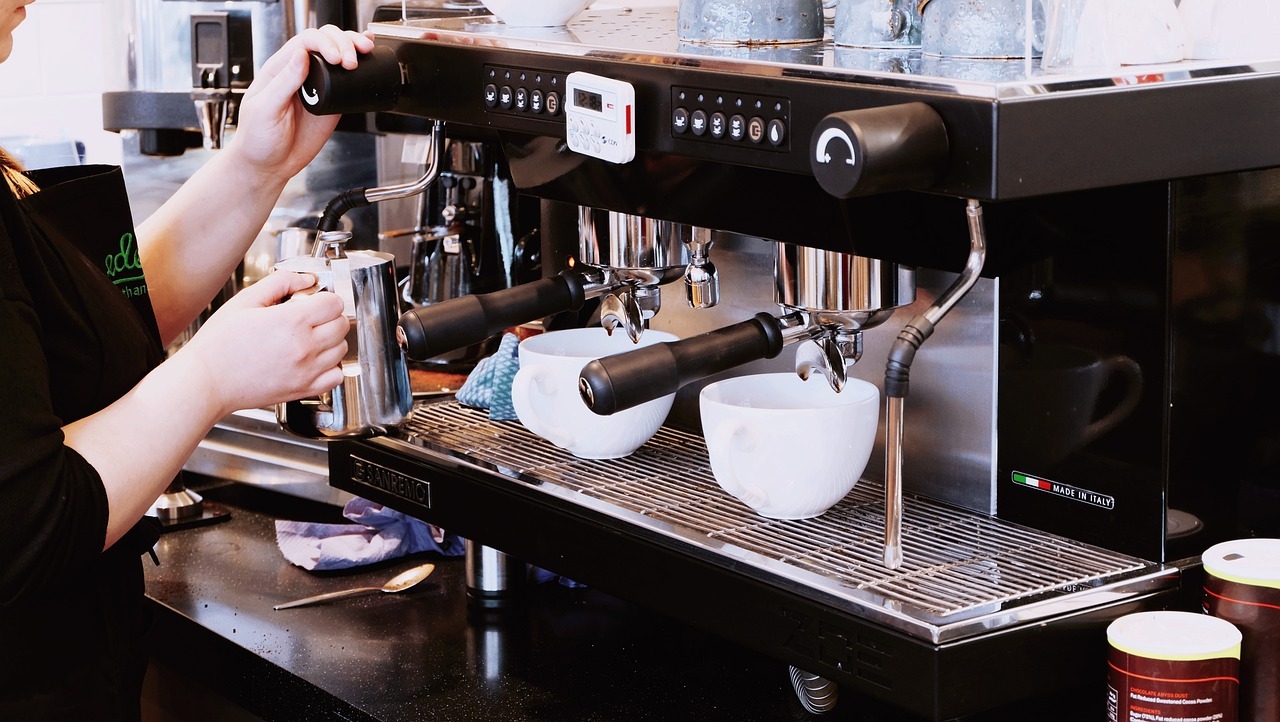
Although brew ratios provide a dependable starting point, different brewing methods require small adjustments to achieve the best results. Espresso uses extremely fine grounds and high pressure, resulting in ratios closer to 1:2, while French press coffee relies on coarse grounds and longer steeping times, often performing well around 1:15. Pour-over brewers, automatic drip machines, Chemex brewers, AeroPress, and many immersion methods generally produce balanced results around the familiar 1:16 ratio.
Grind size also influences extraction. Fine coffee exposes more surface area to water, allowing flavor to develop quickly but increasing the risk of bitterness if brewed too long. Coarser grounds extract more slowly, often requiring longer contact with water to develop a balanced cup. Adjusting grind size without considering brew time or ratio can noticeably change the flavor, even when using the same beans.
Rather than treating every coffee recipe as universal, think of ratios as flexible guidelines that work alongside your brewing method, grind size, and personal preferences. Small adjustments based on these variables often produce bigger improvements than changing the coffee itself.
Conclusion
Learning coffee measurement conversions may seem technical at first, but a few simple principles make the process surprisingly easy. By understanding coffee-to-water ratios, measuring ingredients by weight, and using consistent brewing methods, you can prepare balanced, and repeatable cups.
Small adjustments in ratio, grind size, or brewing method allow you to fine-tune every cup according to your own preferences. As home coffee culture continues to grow, accurate measurements have become one of the simplest ways to improve everyday brewing. Once measurement becomes second nature, you can spend less time worrying about calculations and more time enjoying consistently great coffee.