
Why the Kitchen Became the New Social Hub for Coffee, Cooking, and Conversation

The modern kitchen has evolved far beyond its original purpose as a place to prepare meals. Today, it's where families catch up over breakfast, friends gather around a kitchen island before dinner, and guests naturally gravitate during parties. As open-concept homes have become more common, kitchens have transformed into spaces that encourage conversation, connection, and shared experiences.
Popular cooking shows, specialty coffee culture, and social media have helped reinforce this shift. Beautiful kitchens appear regularly in home renovation programs, recipe videos, and lifestyle content, inspiring homeowners to design spaces that invite people to stay rather than pass through. Whether it's sharing coffee with friends, hosting taco nights, or preparing holiday meals together, the kitchen has become one of the most social rooms in the home.
The Open-Plan Kitchen as a Social Gathering Space
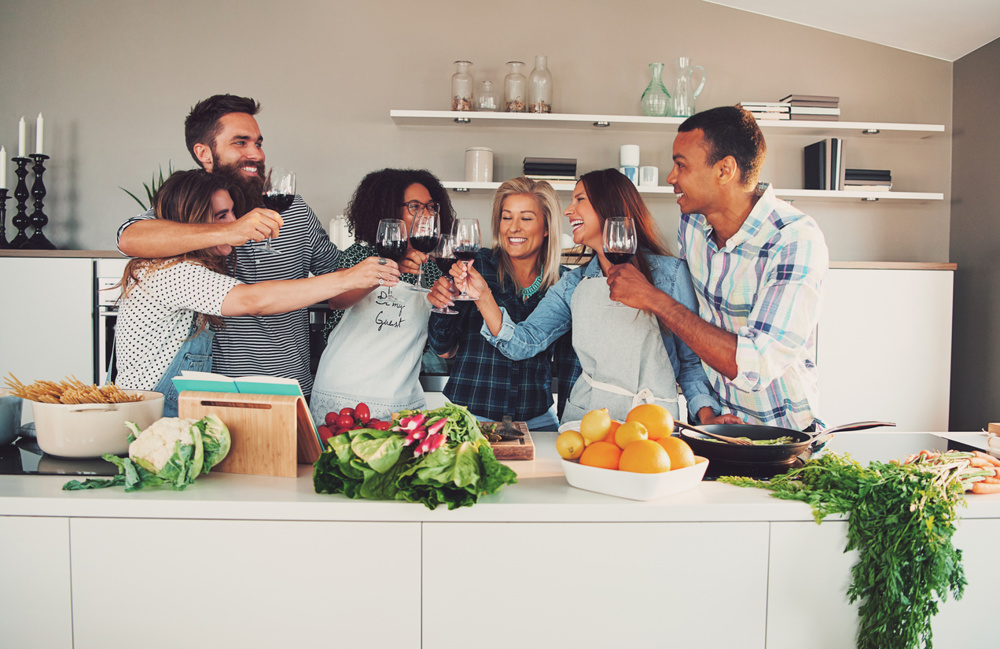
One of the biggest reasons kitchens have become social hubs is the rise of open-plan home design. By removing walls between the kitchen, dining room, and living area, modern layouts allow conversations to continue naturally while meals are being prepared. This shift has played a major role in kitchens becoming the home hangout, where family members and guests naturally spend time together instead of gathering in separate rooms.
Open layouts also improve movement throughout the home. Instead of narrow walkways that funnel people through a single entrance, open spaces create natural circulation where multiple people can cook, chat, prepare drinks, or simply spend time together without constantly getting in each other's way. This flexibility makes gatherings feel more relaxed and encourages spontaneous interaction throughout the day.
Although open kitchens reduce some privacy and allow cooking sounds to travel more easily, many homeowners consider that trade-off worthwhile. The ability to remain connected during everyday activities has fundamentally changed how people use their homes, making the kitchen a destination rather than a room people quickly leave after meals.
How Layout Shapes the Way People Move and Connect
A successful social kitchen depends on thoughtful layout just as much as attractive finishes. The placement of the sink, stove, refrigerator, and preparation areas determines how comfortably several people can share the space at once. When movement flows naturally, family members and guests can interact without interrupting whoever is preparing food.
Good sightlines also encourage conversation. Being able to see into adjoining living or dining spaces allows the cook to participate in discussions while continuing to prepare meals. Wide walkways, kitchen islands, and clearly defined activity zones make it easier for multiple conversations to happen simultaneously without creating congestion around the primary workspace.
Even smaller kitchens can become inviting gathering places when they're organized efficiently. Separating cooking areas from casual seating or beverage stations allows visitors to remain nearby without interfering with food preparation. Simple design choices like these, help transform functional layouts into welcoming social environments.
Seating Arrangements That Make a Social Kitchen Work
Comfortable seating encourages people to remain in the kitchen long after food preparation has begun. Kitchen islands with bar stools have become especially popular because they allow guests to talk with the cook while staying clear of busy work areas. Breakfast nooks, built-in banquettes, and window benches create equally inviting spaces for casual conversations over coffee or light meals.
Offering different types of seating also accommodates different occasions. Counter stools work well for quick breakfasts or afternoon snacks, while larger dining tables support family dinners, celebrations, and holiday gatherings. Flexible seating options give homeowners the ability to adapt the space for both everyday routines and larger social events.
Placement matters as much as the furniture itself. Seating should remain close enough to the action that guests feel included but far enough away to avoid disrupting meal preparation. When thoughtfully arranged, these gathering spots naturally encourage people to linger, turning the kitchen into one of the most welcoming rooms in the home.
Coffee Stations and Drink Zones That Draw People In
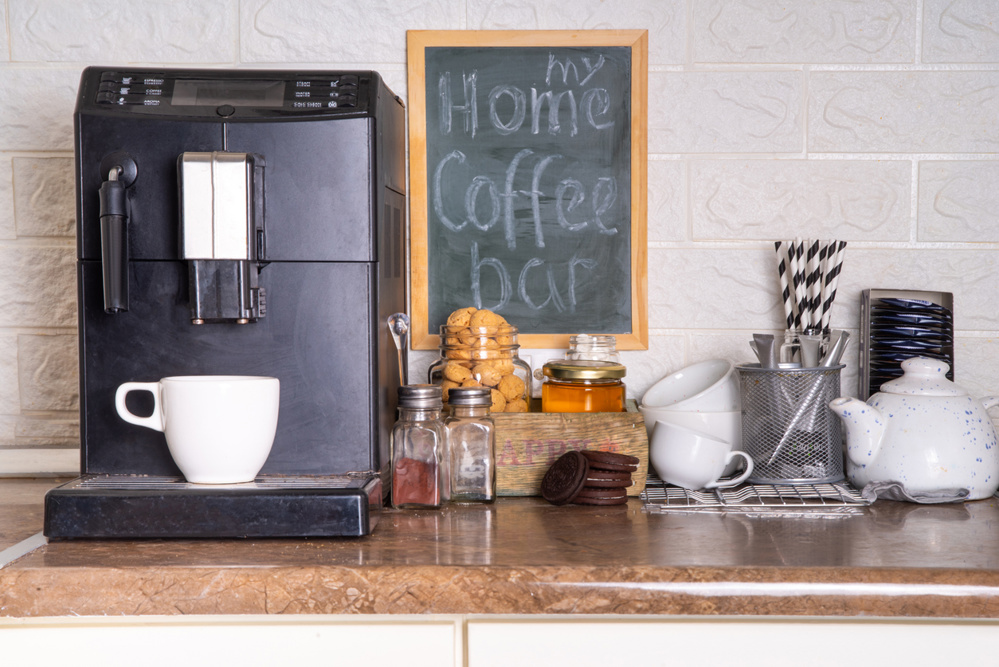
While cooking often brings people into the kitchen, coffee and beverage stations give them a reason to stay throughout the day. A dedicated coffee corner with mugs, a coffee maker, tea selections, and simple accessories creates a welcoming space where guests can help themselves without interrupting meal preparation. It also encourages casual conversations that might never happen around a formal dining table.
Many homeowners now include beverage refrigerators, espresso machines, tea bars, or small drink cabinets as part of their kitchen design. These additions allow family members and visitors to gather for a quick cup of coffee in the morning, enjoy an afternoon tea break, or prepare refreshments during parties without crowding the main cooking area.
Because making a drink usually requires only a few minutes, people naturally linger, chat, and reconnect while waiting. The popularity of home coffee stations reflects a broader shift in how kitchens are used. Rather than serving only as places to prepare meals, they have become everyday destinations where routines begin, conversations unfold, and guests immediately feel comfortable making themselves at home.
How Coffee Culture Changed Modern Kitchens
The rise of specialty coffee has had a surprising influence on kitchen design. As more people invest in home espresso machines, pour-over equipment, grinders, and specialty beans, kitchens increasingly include dedicated spaces for preparing café-quality drinks. Morning coffee has become a ritual rather than a routine, encouraging slower starts to the day and creating natural opportunities for conversation.
Coffee culture has also encouraged entertaining at home in new ways. Instead of inviting friends out to cafés, many people now host informal coffee mornings, brunches, or weekend gatherings centered around homemade drinks and pastries. A thoughtfully designed coffee station supports these occasions while making everyday routines feel a little more enjoyable.
This trend has been fueled by specialty coffee shops, independent roasters, and online coffee creators who share brewing techniques and equipment recommendations across social media. As a result, many homeowners design kitchens that reflect the welcoming atmosphere of their favorite neighborhood café, combining functionality with comfort and hospitality.
Lighting Choices That Shift a Kitchen From Functional to Inviting
Lighting has a remarkable ability to change the atmosphere of a kitchen throughout the day. Bright task lighting over countertops supports cooking safely and efficiently, but softer lighting encourages people to slow down once food preparation is finished. Layering several types of lighting allows one room to serve multiple purposes without feeling either overly clinical or too dim.
Pendant lights above an island create natural gathering points, while under-cabinet lighting highlights workspaces without overwhelming the room. Wall sconces, dimmable fixtures, and warm accent lighting around shelves or coffee stations add depth that makes evening conversations feel relaxed and comfortable. During parties, lowering the lights slightly can completely change the mood from meal preparation to entertaining.
Natural light remains equally important. Large windows, glass doors, and skylights make kitchens feel brighter and more connected to outdoor living spaces, encouraging family members and guests to gather there throughout the day. When artificial and natural lighting work together, the kitchen becomes inviting at every hour.
How Shared Cooking Builds Connection in a Social Kitchen
One of the greatest strengths of a social kitchen is that it turns cooking into a shared activity rather than a solitary responsibility. Preparing meals together naturally creates opportunities for conversation, teamwork, and learning as family members and friends chop vegetables, prepare ingredients, or experiment with new recipes side by side.
Regular cooking traditions strengthen these connections over time. Weekly taco nights, homemade pizza evenings, holiday baking sessions, or Sunday breakfasts become rituals that people anticipate and remember long after the meal has ended. Children often learn family recipes during these moments, while older generations pass along techniques and stories that might otherwise be forgotten.
Shared cooking also makes entertaining feel more inclusive. Instead of separating hosts from guests, modern kitchens invite everyone to participate in the experience. Whether someone is stirring a sauce, setting the table, or preparing coffee afterward, each person contributes to the gathering in a meaningful way.
Organization and Flexibility That Keep a Social Kitchen Welcoming
Even the most beautiful kitchen loses its appeal if it feels crowded or disorganized. Clear countertops, accessible storage, and flexible layouts help maintain an environment where multiple people can comfortably share the space. Good organization reduces stress during meal preparation while making it easier to welcome unexpected visitors.
Movable carts, adjustable shelving, multifunctional islands, and well-planned storage solutions allow homeowners to adapt the kitchen for different occasions. A casual weekday breakfast requires a different setup than a holiday dinner or neighborhood gathering, and flexible furniture makes those transitions much easier. Keeping everyday essentials within reach also allows guests to help themselves without needing constant assistance.
Organization supports hospitality in subtle but important ways. When the kitchen functions smoothly behind the scenes, hosts spend less time searching for utensils or clearing clutter and more time enjoying the company of family and friends. The result is a space that feels relaxed, welcoming, and ready for conversation at any time.
Why Social Media Made Beautiful Kitchens Aspirational
Social media has transformed the kitchen into one of the most photographed rooms in the home. Platforms like Instagram, Pinterest, TikTok, and YouTube regularly showcase beautifully designed kitchens filled with coffee stations, organized pantries, fresh flowers, and inviting islands where families gather. These images don't simply inspire decorating ideas—they shape how many people imagine spending time together at home.
Home organization creators, recipe developers, and lifestyle influencers have also contributed to this shift by sharing meal-prep routines, seasonal decorating ideas, coffee-making tutorials, and entertaining tips. Rather than presenting the kitchen as a purely functional workspace, they highlight it as the backdrop for everyday moments like morning coffee, holiday baking, and casual dinners with friends.
This constant stream of inspiration has encouraged homeowners to think beyond appearance alone. Many now design kitchens that support the way they actually live, combining attractive finishes with practical layouts that make cooking, entertaining, and spending time together easier. In many homes, the kitchen has become both a functional workspace and a reflection of personal lifestyle.
How Every Element Combines in a True Gathering Kitchen
A welcoming kitchen isn't defined by a single feature. Instead, it succeeds because multiple elements work together to support everyday life. Open layouts encourage movement, comfortable seating invites conversation, warm lighting creates atmosphere, and organized storage keeps the room functioning smoothly even during busy gatherings.
Coffee stations, flexible workspaces, and shared cooking traditions add another layer by giving people reasons to spend time together throughout the day rather than only during meals. Decorative details such as plants, artwork, ceramics, cookbooks, and family photographs personalize the room, helping guests feel comfortable while reflecting the personalities of the people who live there.
The most memorable kitchens are rarely the largest or most expensive. They're the ones designed around how families actually live—spaces where people naturally gather for breakfast before work, linger over coffee on weekends, prepare holiday meals together, and continue conversations long after dinner has ended.
Conclusion
The modern kitchen has become much more than a place to cook. It now serves as a center for conversation, hospitality, creativity, and everyday connection. Open layouts, thoughtful design, specialty coffee culture, and the influence of television and social media have all contributed to transforming the kitchen.
Whether you're redesigning a kitchen, creating a simple coffee corner, or establishing new family traditions around cooking together, the goal extends beyond aesthetics. The most successful social kitchens are those that encourage people to slow down, share experiences, and enjoy each other's company.