Houston Coffee Culture and International Influences
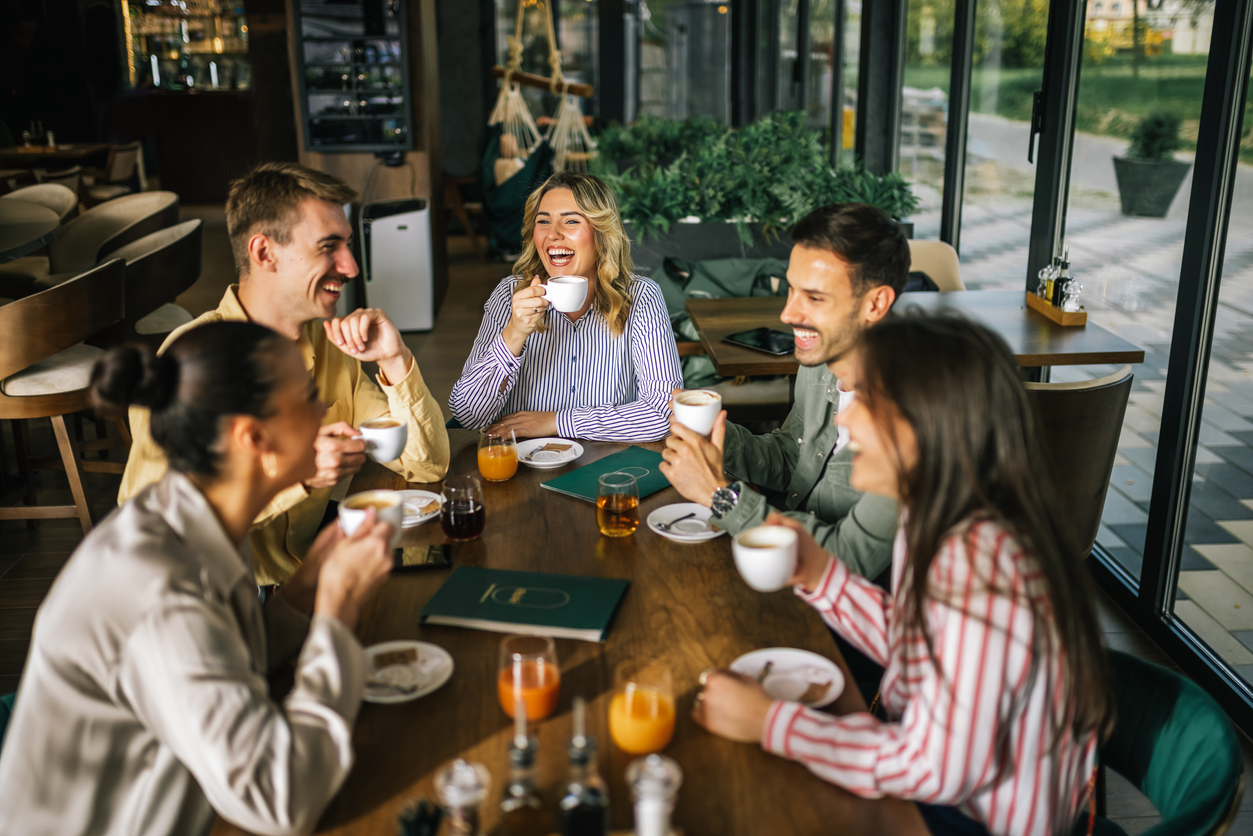
Houston's coffee scene reflects the city's status as one of America’s most diverse major cities, where you'll find Vietnamese cà phê sữa đá in Little Saigon, traditional phin brewing methods, and innovative fusion beverages alongside third-wave specialty shops. The city’s large Hispanic and Asian populations have introduced robust Latin American techniques and distinctive coffee traditions, while Black-owned cafés create meaningful community spaces. Historic buildings from the early 20th century now house cutting-edge coffee bars, blending preservation with modern design. This dynamic mix of culture, history, and innovation continues shaping Houston’s evolving coffee landscape.
How Houston's Diverse Population Shaped Its Coffee Scene
View this post on Instagram
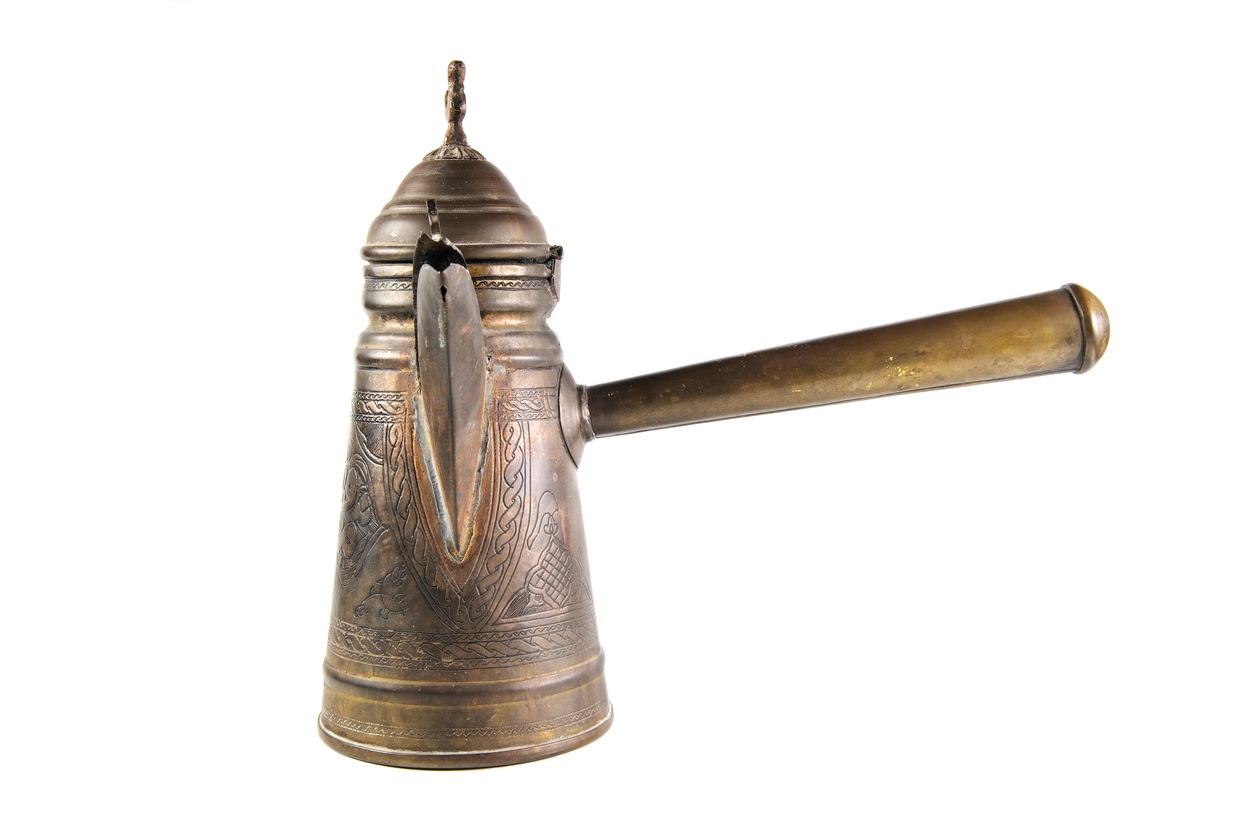
Houston’s position as one of the most racially and ethnically diverse major cities in the United States has transformed its coffee culture into a vibrant mix of global traditions. You’ll find Vietnamese cà phê sữa đá alongside Turkish-style coffee and Latin American brewing methods, reflecting the city’s immigrant communities. Houston’s Hispanic population—now one of the largest demographic groups in the city—has influenced coffee preparation styles rooted in countries like Mexico, Colombia, and Guatemala. Meanwhile, Asian communities have introduced slow-drip brewing techniques and café traditions centered on bold, sweet, and highly concentrated coffee. As Houston continues to grow, its coffee scene evolves with it, offering a blend of authenticity and innovation across neighborhoods.
Vietnamese, Ethiopian, and Italian Coffee in Houston
While Italy introduced espresso and drinks like the Americano, Vietnam’s influence on Houston’s coffee culture has become especially visible. Along Bellaire Boulevard in the International District, you’ll find cafés serving cà phê sữa đá, made with strong coffee and sweetened condensed milk using a traditional phin filter.
| Coffee Origin | Key Characteristics |
| Vietnamese | Robusta-based, bold flavor, often served iced with condensed milk |
| Italian | Espresso-based drinks, high-pressure extraction |
| Ethiopian | Floral, fruity profiles, often single-origin Arabica |
| Vietnamese Brewing | Phin slow-drip method |
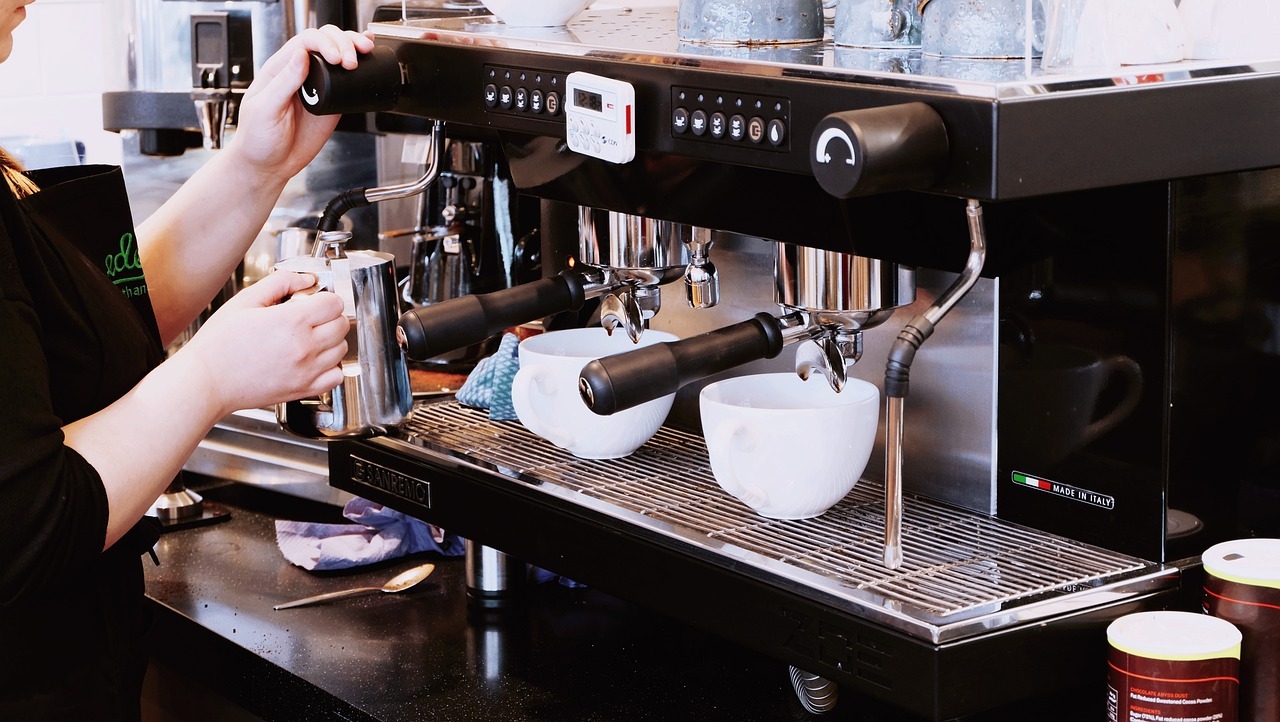
| Italian Method | Espresso machine extraction |
Vietnamese coffee is typically made with robusta beans, which contain higher caffeine levels than arabica, though exact percentages vary. Italian roasting and espresso techniques remain foundational across Houston’s specialty cafés. Ethiopian coffee is also widely available through specialty roasters across the city, often highlighted for its bright acidity and complex flavor notes. In recent years, drinks like cà phê trứng (Vietnamese egg coffee) have appeared on select menus, offering a rich and creamy alternative.
Houston's Black-Owned Specialty Coffee Movement
View this post on Instagram
Houston’s coffee scene also reflects growing representation through Black-owned coffee businesses that serve as both cafés and community hubs. Shops like Day 6 Coffee Co. in downtown Houston were created to foster connection, creativity, and cultural expression. Founded by brothers Ricardo “RJ” and Ian Wilson, the café emphasizes storytelling, entrepreneurship, and community engagement. These spaces often feature locally sourced products, collaborations with minority-owned businesses, and menus that reflect regional identity. In addition to serving coffee, they function as gathering places for artists, freelancers, and entrepreneurs, contributing to Houston’s broader cultural landscape.
Historic Houston Buildings Now Serving Great Coffee
View this post on Instagram
Many of Houston’s most interesting cafés are located inside repurposed historic structures, blending architectural preservation with modern coffee culture. Retrospect Coffee Bar operates out of a former 1920s-era gas station, one of the city’s earliest service stations. The compact space has been restored with attention to original details while incorporating modern espresso equipment and outdoor seating. Another example is The Coffee House at West End, which transformed a former church building into a multi-use café and community space. The renovation preserved elements like exposed brick and timber while adapting the space for contemporary use. These locations highlight how Houston continues to reuse historic spaces in ways that support both community and commerce.
How Coffee Training Programs Are Building Careers
View this post on Instagram
Houston’s expanding coffee industry has led to increased demand for professional barista training and specialty coffee education. Programs such as Texas Coffee School offer hands-on instruction in espresso preparation, milk steaming, latte art, and café operations. These courses range from short introductory sessions to more advanced certification-style training. Rather than focusing only on theory, most programs emphasize practical, on-bar experience, preparing students for real-world café environments. As specialty coffee continues to grow in Houston, these training pathways support career development from entry-level roles to management and entrepreneurship.
What Makes Houston's Coffee Scene Different from Austin and Dallas?
Houston’s coffee culture stands out for its cultural diversity and accessibility rather than a single dominant trend. While Austin is often associated with early third-wave coffee movements and Dallas leans toward upscale café design, Houston offers a broader mix of global influences. You’ll find drinks inspired by Vietnamese, Latin American, and Middle Eastern traditions alongside classic espresso offerings. The city also differs in how coffee shops are distributed. Instead of being concentrated in one central district, quality cafés are spread across neighborhoods, making specialty coffee more accessible to a wider audience. This combination of diversity, affordability, and neighborhood integration gives Houston a distinct and inclusive coffee identity.
Where to Find Third-Wave Coffee Shops in Houston Neighborhoods
Houston’s size means its coffee scene is spread across multiple neighborhoods, each with its own personality. Montrose is known for its concentration of specialty cafés like Blacksmith, offering carefully crafted espresso drinks in a relaxed setting. The Heights features neighborhood favorites such as Boomtown Coffee, known for its house-roasted beans and community atmosphere. In Downtown, spots like Three Keys Coffee serve both locals and visitors near major venues. EaDo (East Downtown) has cafés like Tout Suite, blending coffee with bakery offerings in a modern warehouse-style environment. Other notable areas include Second Ward, home to Xela Coffee Roasters, and Washington Avenue, where Catalina Coffee focuses on high-quality brews in a minimalist space. Together, these neighborhoods showcase Houston’s ability to balance local character with citywide variety.
Notable Coffee Shops to Visit in Houston
View this post on Instagram
Houston’s coffee scene is best experienced through its standout cafés, many of which reflect the city’s global influences and neighborhood identity. In Montrose, Agora offers a Greek-inspired atmosphere with eclectic décor and a long-standing reputation as a community gathering space since 2001. Retrospect Coffee Bar in Midtown stands out for its unique setting inside a restored 1920s gas station, combining historic architecture with specialty coffee and crepes. In Downtown and surrounding areas, Day 6 Coffee Co. has expanded to multiple locations across Greater Houston, creating spaces centered on community, culture, and locally inspired drinks. Catalina Coffee along Washington Avenue is widely recognized for its focus on high-quality espresso and minimalist café design, attracting both coffee purists and industry professionals. In EaDo, Tout Suite blends bakery offerings with specialty coffee in a modern, industrial-style setting, making it a popular stop for both casual visitors and remote workers. For globally inspired menus, cafés like Koffeteria and Cafe Tales Specialty Coffee highlight Cambodian and Colombian influences, while Golden Roastery introduces Middle Eastern flavors into Houston’s specialty coffee landscape. These cafés collectively showcase Houston’s ability to balance heritage, innovation, and accessibility in its coffee culture.
Conclusion
Houston’s coffee culture is shaped by authentic global influences and community-driven spaces. From Vietnamese cafés in the International District to neighborhood roasters and historic buildings turned coffee shops, the city offers a diverse and evolving experience. Rather than following trends set by other cities, Houston continues to define its own identity—one rooted in culture, accessibility, and innovation.