Top 5 Mistakes to Avoid When Buying Wholesale Coffee Beans
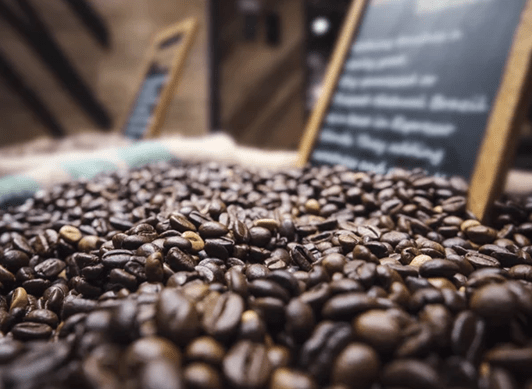
In the coffee business, the quality of your beans is everything. A single mistake in choosing the right wholesale supplier can lead to poor quality, unhappy customers, and lost revenue. Imagine losing loyal customers because your coffee no longer meets their expectations—all because of a hasty decision on where to buy your beans.
This guide is designed to help you avoid those costly mistakes. By focusing on the top five pitfalls when purchasing wholesale coffee beans, you'll ensure your business consistently delivers the high-quality coffee your customers crave. Read on to ensure your next purchase supports your success, not hinders it.
1. Failing to Research the Supplier
When it comes to sourcing wholesale coffee beans for resale or use, not all suppliers are created equal. One of the biggest mistakes you can make is jumping into a partnership without thoroughly researching your supplier. Imagine a scenario where a café owner, eager to cut costs, quickly switches to a new supplier offering a lower price. A few months in, the complaints start rolling in—customers notice a decline in the coffee’s flavor, and business begins to suffer. What went wrong? The supplier wasn’t delivering on quality, and now the business is paying the price.
Why is Research Important? Choosing a supplier is about more than just price. It’s about ensuring consistent quality, transparency in sourcing, and reliability in delivery. Your supplier is a critical partner in your business’s success, and failing to vet them properly can lead to severe consequences. Poor quality beans, delayed shipments, or a lack of transparency in sourcing can tarnish your brand and drive customers away.
Key Points to Consider:
- Check Supplier Reputation and Reviews - Start by looking into the supplier’s reputation. What do other businesses say about them? Look for reviews and testimonials that speak to their consistency and reliability. A supplier with a solid track record is more likely to meet your standards.
- Ask the Right Questions - Don’t be afraid to dig deep. Ask about their sourcing practices—where do they get their beans? Are they certified organic, Fair Trade, or Rainforest Alliance? Understanding their commitment to sustainability and quality can give you confidence in their product.
- Verify Credibility and Reliability - A reputable supplier should have no problem providing proof of their quality control processes. Request sample batches to test the beans yourself. This hands-on approach ensures that what they’re offering meets your expectations before you commit.
2. Overlooking the Importance of Freshness
In the world of coffee, freshness is paramount. The difference between a vibrant, flavorful cup and a flat, lackluster brew often comes down to the freshness of the beans. Imagine a café owner who buys large quantities of beans to save on costs, only to find that by the time they’re used, the beans have lost their peak flavor. The result? Disappointed customers and a dip in sales.
Why Freshness Matters: The roast date of your coffee beans is a critical factor in determining their flavor and quality. Coffee is at its best within a few weeks of roasting, and as time passes, it begins to lose its aromatic oils and vibrant flavors. Buying in bulk might seem economical, but if those beans sit on the shelf too long, they’ll go stale, and your customers will notice.
Key Points to Consider
- Impact of Roast Date - Freshly roasted beans deliver the rich, complex flavors that coffee lovers crave. A stale bean, on the other hand, can taste flat and unremarkable, no matter how well it’s brewed.
- Risks of Bulk Buying - While it’s tempting to buy in large quantities to secure a better price, you risk the beans losing their freshness before you can use them. Stale coffee not only disappoints customers but can also damage your reputation.
- Proper Storage Conditions - Even the freshest beans can lose their quality if not stored correctly. Coffee should be kept in a cool, dark place, away from moisture and air. However, no storage method can fully preserve freshness once the beans start to age.
3. Ignoring the Bean Origin and Quality
The origin and quality of coffee beans are fundamental to the flavor profile and overall experience of your coffee. Picture a scenario where a coffee shop decides to cut costs by switching to a cheaper, lower-quality bean. The result? A noticeable decline in flavor that regular customers immediately detect, leading to a drop in loyalty and sales.
Why Origin and Quality Matter: The origin of your coffee beans significantly influences their flavor characteristics. For instance, beans from Ethiopia often have fruity and floral notes, while those from Brazil might be more nutty and chocolatey. Additionally, the quality of the bean itself—whether it’s a high-grade Arabica or a robust Robusta—plays a crucial role in the taste and texture of the final cup.
Key Points to Consider
- Arabica vs. Robusta - Arabica beans are known for their smooth, complex flavors, making them ideal for premium coffee. Robusta, while more affordable, tends to be stronger and more bitter, often used in blends or instant coffee.
- Influence of Growing Regions - The climate, altitude, and soil conditions of a bean’s origin affect its flavor profile. Understanding these regional differences can help you choose beans that align with the taste preferences of your customers.
- Certifications and Ethics - Certifications like Fair Trade or Organic often indicate higher quality and ethical sourcing practices. These beans not only taste better but also resonate with consumers who are conscious of sustainability.
4. Neglecting Cost vs. Quality Balance
Balancing cost and quality is one of the most challenging aspects of sourcing wholesale coffee beans. Consider the case of a business that opts for the cheapest beans available, only to find that the low quality drives customers away, costing them more in the long run.
Why the Balance Matters: While it’s essential to manage costs, focusing solely on the price can lead to poor quality, which in turn impacts customer satisfaction and brand reputation. The cheapest option isn’t always the most economical when you factor in the potential loss of repeat business and the negative reviews that can follow.
Key Points to Consider
- True Cost of Low-Quality Beans - Low-quality beans might save you money upfront, but they can lead to dissatisfied customers and a tarnished brand image, which is far more costly in the long term.
- Finding the Sweet Spot - The goal is to find a balance where the beans are both affordable and of high quality. This sweet spot ensures you’re offering a product that satisfies customers while maintaining healthy profit margins.
- Understanding Bulk Pricing - While buying in bulk can reduce costs, it’s important to negotiate with suppliers without compromising on quality. Ensure that the bulk purchase still meets your standards for freshness and flavor.
5. Failing to Establish a Reliable Delivery Schedule
A reliable delivery schedule is crucial for maintaining a steady supply of fresh coffee beans. Imagine the panic of running out of beans during a busy morning rush because of a delayed shipment. Not only does this disrupt service, but it can also lead to lost sales and frustrated customers.
Why Delivery Matters Consistency in delivery is key to ensuring that you always have fresh beans on hand. Delays or unpredictable schedules can result in running out of stock, forcing you to serve older, less fresh beans, or even worse, no coffee at all.
Key Points to Consider
- Risks of Stockouts - Running out of beans can halt your operations and damage customer trust. It’s essential to align your delivery schedule with your sales cycle to avoid these disruptions.
- Aligning with Sales Cycle - Understand your peak times and ensure your delivery schedule matches your demand. This synchronization helps prevent overstocking or understocking, both of which can affect freshness and profitability.
- Clear Communication with Suppliers - Establishing clear and open lines of communication with your supplier is vital. This ensures that any potential issues with delivery can be addressed promptly, reducing the risk of disruptions.
Ensuring Success When Buying Wholesale Coffee Beans
Choosing the right wholesale coffee beans is crucial for the success of your business. By avoiding these common mistakes—failing to research suppliers, overlooking freshness, ignoring bean origin and quality, neglecting the cost vs. quality balance, and not establishing a reliable delivery schedule—you can ensure that you’re consistently serving high-quality coffee that keeps your customers coming back.