Coffee Culture in Texas and What Visitors Should Know
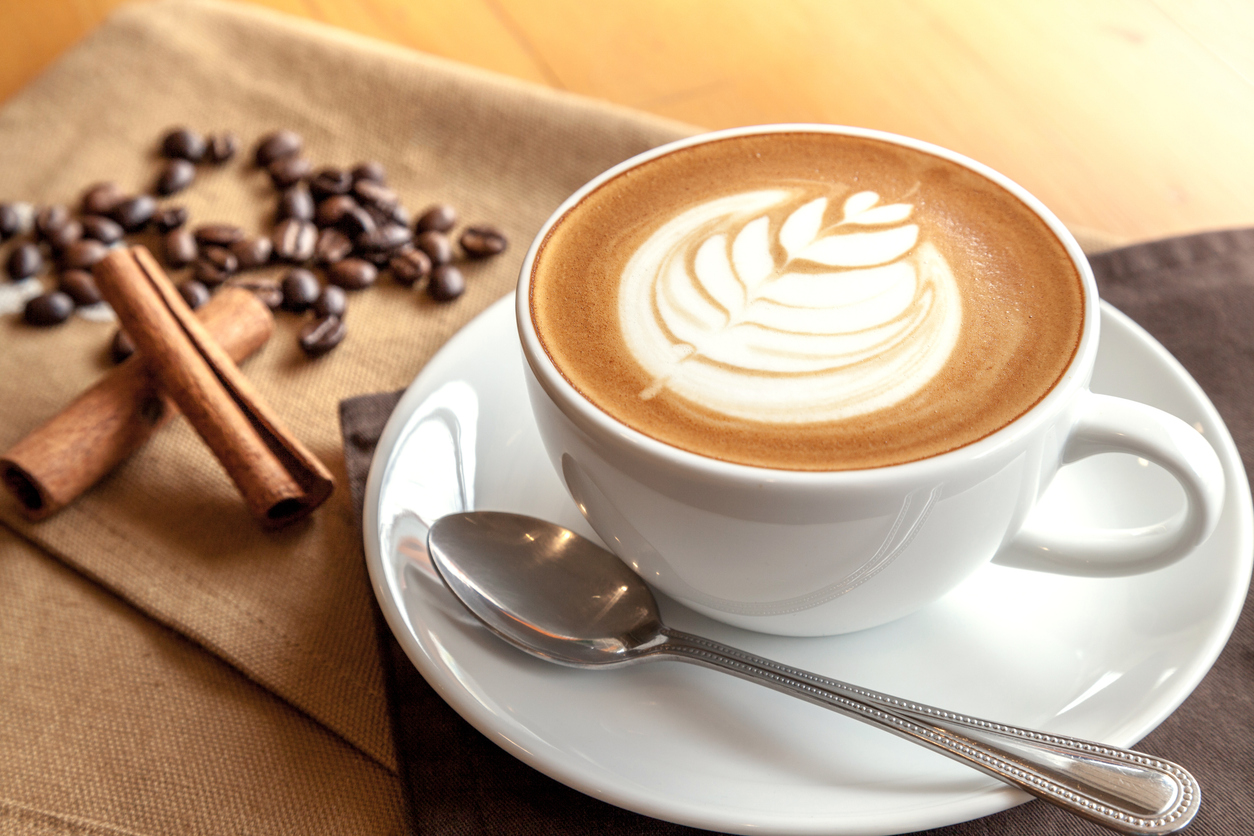
You’ll discover Texas coffee culture has evolved from rugged 19th-century “cowboy coffee” on cattle drives into a thriving modern scene shaped by independent cafés, local roasters, and community-focused spaces. While Texas is one of the largest coffee-consuming states due to its population, its café culture is especially visible in cities like Austin, Dallas, Houston, and San Antonio, where you’ll find everything from classic drip coffee to carefully crafted single-origin pour-overs. Across the state, roasters and baristas blend frontier heritage with contemporary brewing, creating an experience that reflects both tradition and innovation.
From Cowboy Campfires to Craft Roasteries: Texas Coffee History
View this post on Instagram
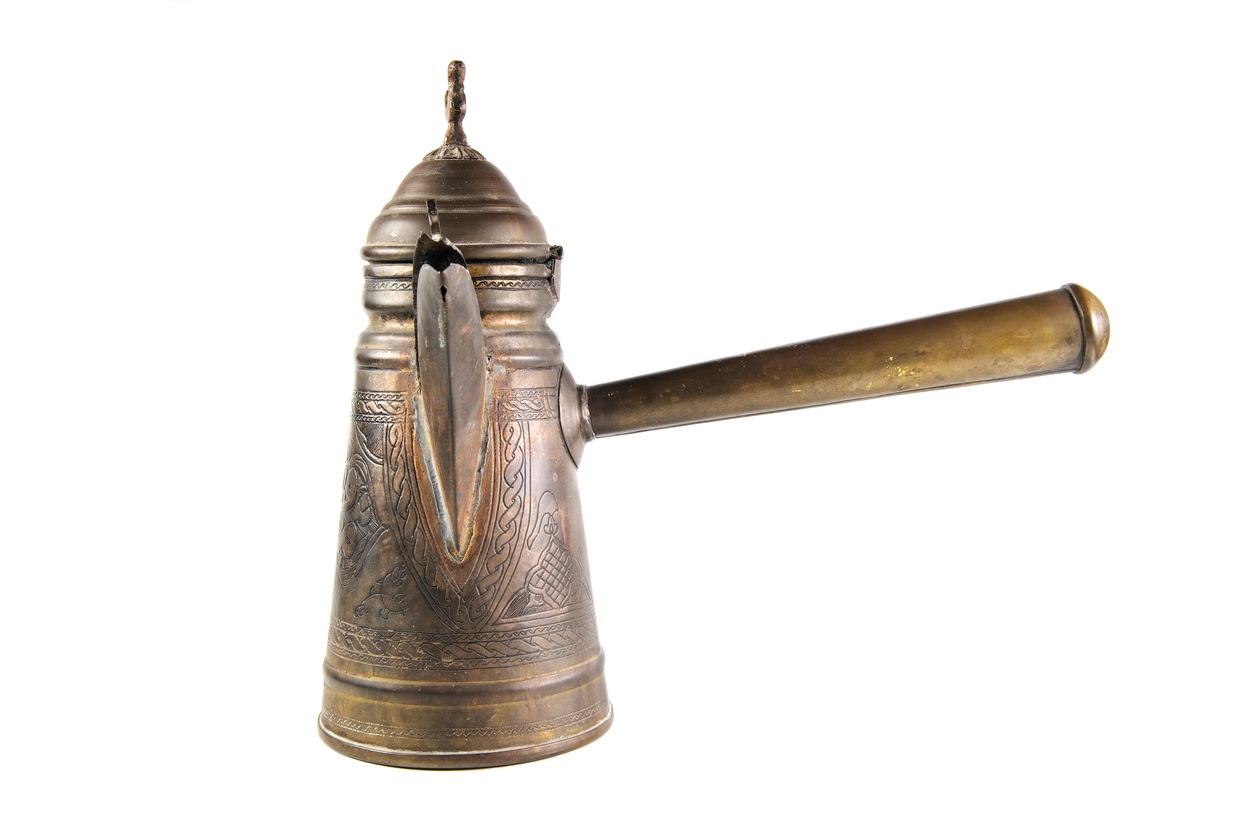
While coffeehouses have deep roots in Europe, Texas developed its own coffee traditions through practicality and frontier life. In the 19th century, cowboys brewed strong, unfiltered coffee over open flames during cattle drives. This method, now known as “cowboy coffee,” involved boiling grounds directly in water, producing a bold, gritty brew that became a staple of ranch life. By the early 20th century, coffee culture in Texas expanded alongside urban growth. Companies like Bright & Early Coffee, founded in Houston in 1918, supplied coffee to restaurants, hotels, and rail dining cars, helping establish coffee as a daily routine across the state.
How Three Coffee Waves Transformed Texas Coffee Culture
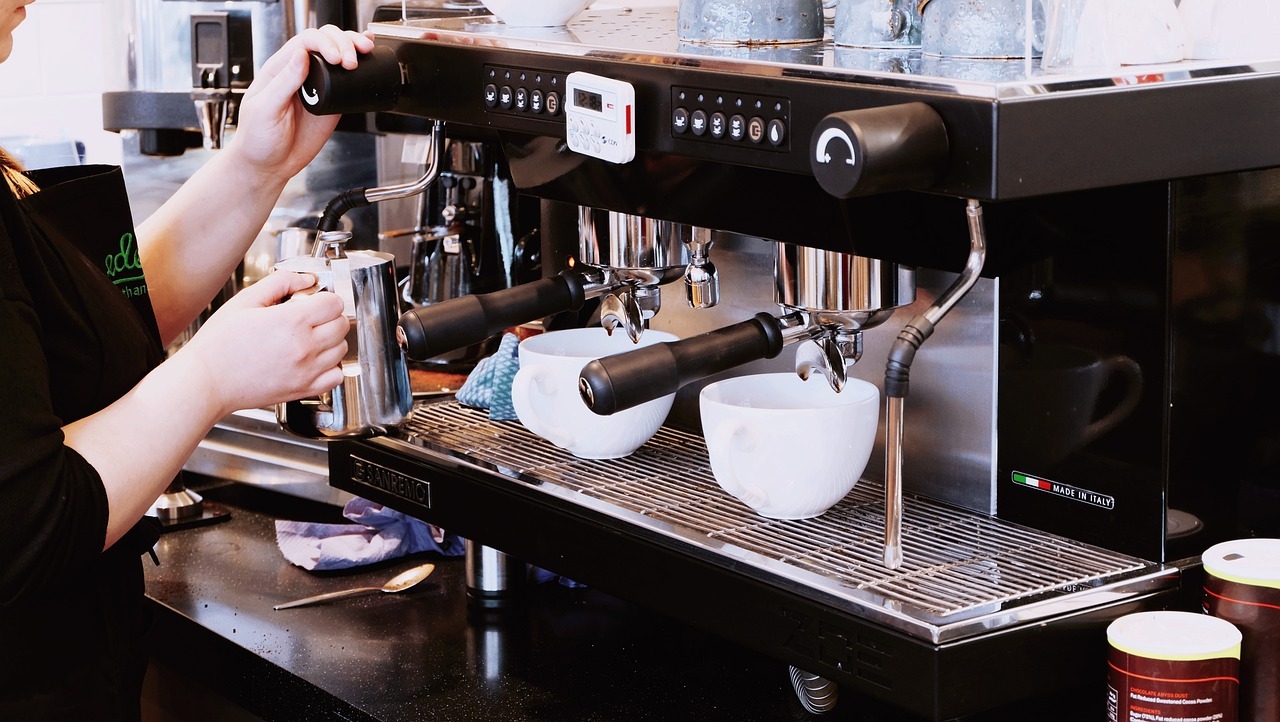
Texas coffee culture reflects the broader evolution of coffee in the United States. The first wave introduced coffee as an accessible, everyday beverage through mass production and distribution. The second wave brought espresso drinks and café culture into the mainstream, popularizing lattes, cappuccinos, and coffeehouse environments. The third wave emphasizes quality, sourcing, and craftsmanship, with roasters focusing on single-origin beans, lighter roasts, and precise brewing methods. In cities like Austin and Dallas, you’ll find cafés that highlight origin transparency, tasting notes, and brewing techniques such as pour-over, Chemex, and AeroPress. These waves coexist today, allowing visitors to experience everything from traditional drip coffee to highly specialized brews.
Austin’s Coffee Scene: A Hub for Independent Cafés
View this post on Instagram
Austin is widely recognized as one of Texas’s leading coffee cities, known for its independent cafés and strong local roasting culture. Neighborhoods across the city feature a high concentration of coffee shops, many of which double as creative workspaces and community hubs. Local favorites such as Greater Goods Coffee Roasters and Houndstooth Coffee highlight the city’s focus on quality sourcing and thoughtful preparation. Rather than relying on large chains, Austin’s coffee culture leans heavily toward locally owned businesses, which contributes to its reputation as a destination for specialty coffee.
Historic Texas Coffee Landmarks You Can Still Visit Today
Across Texas, several cafés operate in buildings that reflect the state’s architectural and cultural history. In Houston, Retrospect Coffee Bar is housed in a restored 1920s-era gas station, preserving original design elements while serving modern espresso drinks. In East Texas, Postmasters Coffee Company in Jacksonville operates in a historic downtown building and emphasizes community gathering alongside coffee service. While not every café occupies a landmark structure, many Texas coffee shops incorporate historic spaces, repurposed buildings, and local design elements, creating environments that connect past and present.
Best Coffee Cities in Texas: Dallas, Houston, San Antonio, and Austin
Texas’s largest cities each offer a distinct coffee experience. Dallas features a mix of upscale cafés and neighborhood spots, with roasters like Eiland Coffee Roasters and cafés such as Magnolias Sous Le Pont emphasizing quality and atmosphere. Houston has one of the most diverse coffee scenes in the state, with shops like Boomtown Coffee and Blacksmith showcasing a range of roasting styles and cultural influences. San Antonio blends tradition and growth, with cafés like Merit Coffee helping shape a modern specialty scene while maintaining a relaxed, community-driven feel. Austin continues to lead in innovation and independent coffee culture, attracting visitors seeking craft-focused experiences. Together, these cities highlight the diversity of Texas coffee, from traditional to experimental.
What Third Wave Coffee Means (and How to Order It)
You’ll often see the term “third wave coffee” in Texas cafés, referring to an approach that treats coffee as a craft product. This style emphasizes origin, roasting precision, and flavor clarity, often highlighting specific farms or regions. Menus may include tasting notes such as citrus, chocolate, or floral tones. When ordering, consider asking your barista about:
- Recommended brewing methods
- Flavor profiles of different beans
- Seasonal or featured roasts
Options like pour-over, Chemex, and AeroPress are designed to showcase the unique characteristics of each coffee.
How Texas Coffee Shop Culture Differs From Other States
Texas coffee culture stands out for its blend of heritage, scale, and community focus. Cafés often serve as gathering spaces similar to traditional town centers, where people meet, work, and connect. Many shops emphasize locally roasted beans and independent ownership, reflecting strong support for regional businesses. You’ll also notice a balance between bold, traditional flavors and modern specialty offerings, giving visitors a wide range of experiences in a single city.
What Visitors Should Know Before Exploring Texas Coffee Shops
When visiting Texas cafés, a few practical tips can enhance your experience. Most independent shops prioritize quality over speed, especially when preparing manual brews like pour-overs. Expect slightly longer wait times for specialty drinks. Tipping is customary, typically around 15–20%, especially in full-service cafés. Many coffee shops also double as work-friendly spaces, so bringing a laptop is common, particularly in cities like Austin and Dallas.
Conclusion
Texas coffee culture offers a rich mix of history, craftsmanship, and community. From cowboy coffee traditions to modern specialty cafés, the state provides a wide range of experiences for visitors. Whether you’re exploring independent shops in Austin, discovering neighborhood cafés in Dallas, or enjoying a relaxed coffee break in San Antonio or Houston, you’ll find that Texas delivers a coffee culture that is both authentic and evolving.